
Find by
Category
Tag
- Ancient Near East History
- Aramaic
- Archaeology
- Bibliology
- Calvinism
- Canon
- Church History
- Cognition
- Comparative Literature
- Comparative Semitic
- Egyptian
- Exegesis
- Hebrew
- Hermeneutics
- Historical Linguistics
- Inspiration
- Manuscripts
- Scribal Updating
- Scribalism
- Sermons
- Text Criticism
- Theology
- Torah/Pentateuch
- Worldview
Ancient Near East History Aramaic Archaeology Bibliology Calvinism Canon Church History Cognition Comparative Literature Comparative Semitic Egyptian Exegesis Hebrew Hermeneutics Historical Linguistics Inspiration Manuscripts Scribalism Scribal Updating Sermons Text Criticism Theology Torah/Pentateuch Worldview
Latest
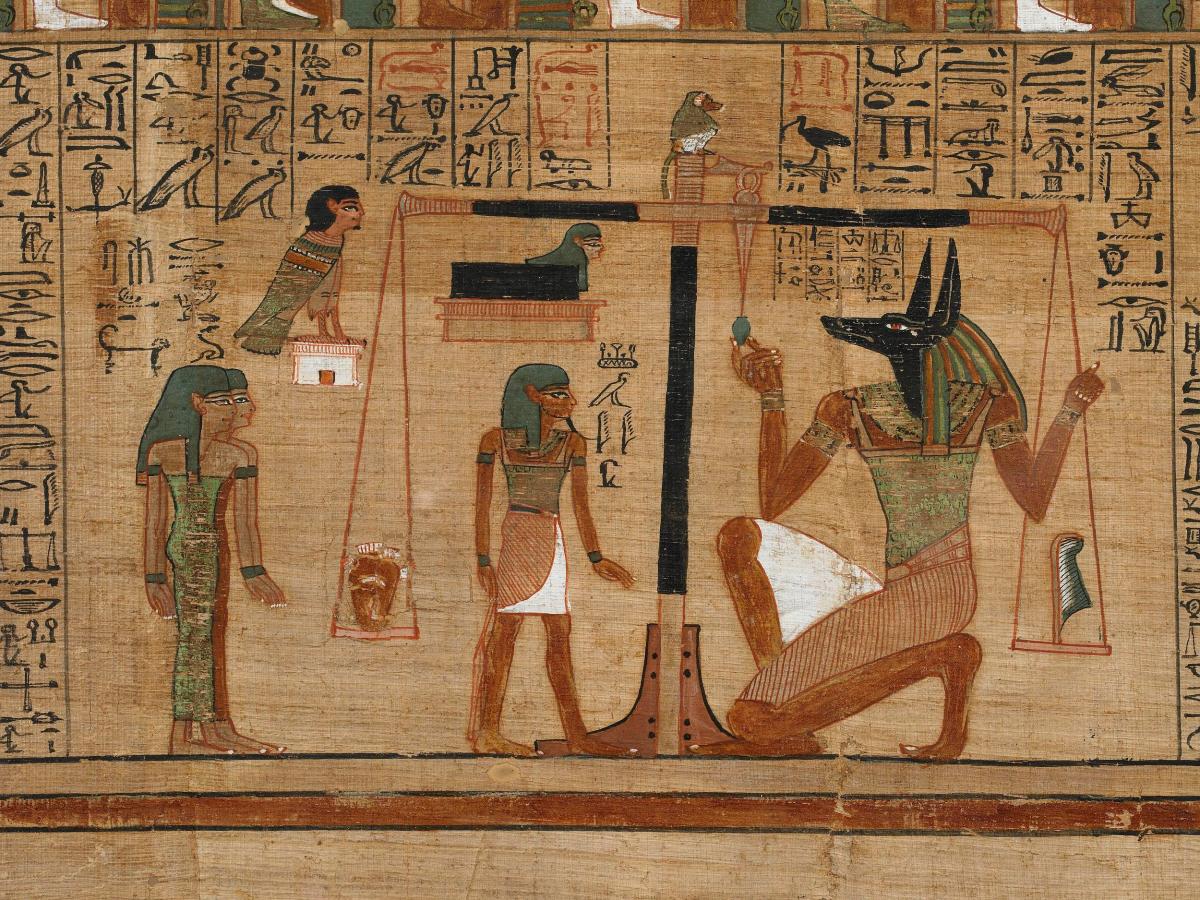
Significant Manuscripts of the Egyptian Book of the Dead
Below is a table of some significant manuscripts of the ancient Egyptian Book of the Dead. These were all composed in the New Kingdom (ca. 1540–1075 BC [Hornung 1999]), around the time when the first scrolls of the Bible were written; although, the spells they contain reach further back into the pyramid and coffin texts…

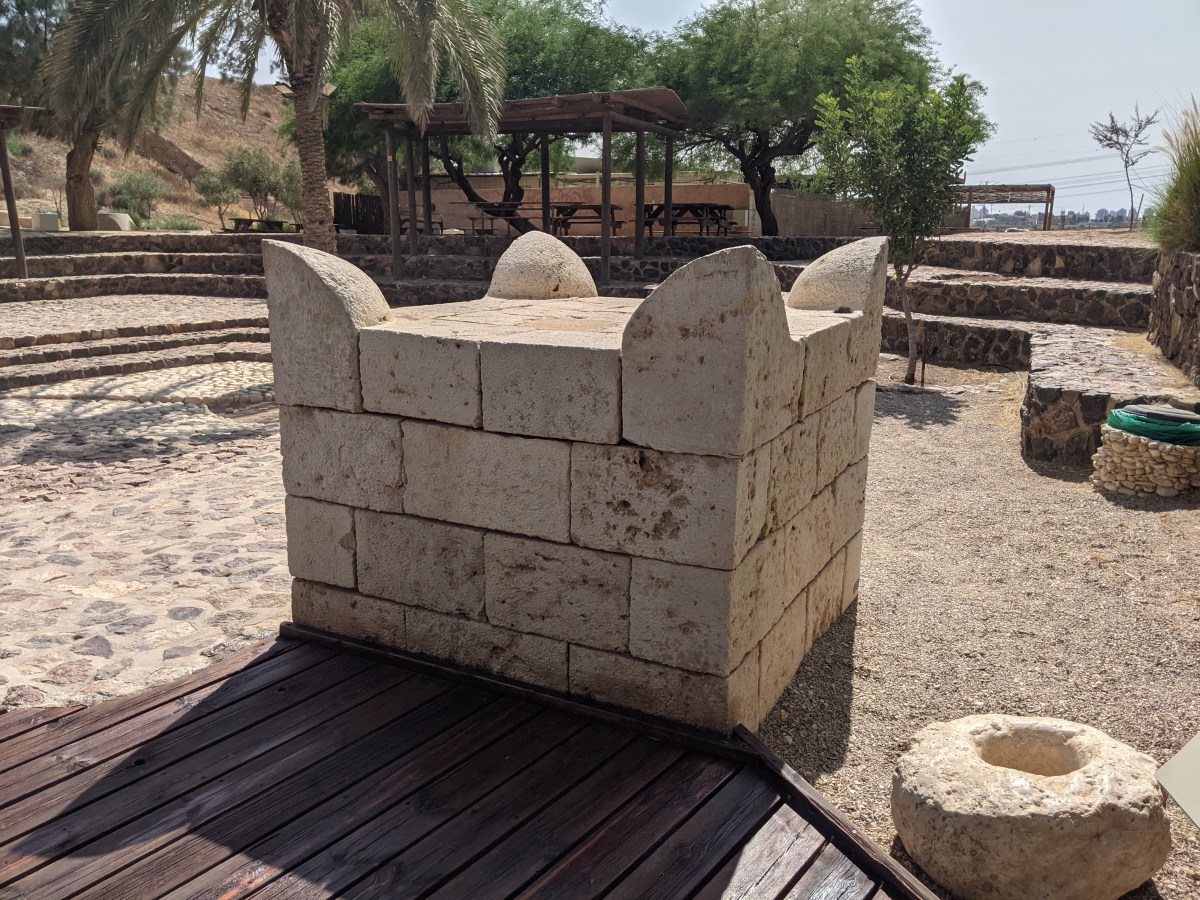
Archaeological Periods in the Levant
Paleolithic Period > 8300 BCE* Prehistoric Neolithic Period 8300–5000 BCE* Pre-Pottery Neolithic (PPN) 8300–5800 BCE* Emergence of (semi-)sedentary communities Pottery Neolithic (PN) 5800–5000 BCE* Emergence of pottery Chalcolithic 5000–3400 BCE Emergence of large, stratified communities Early Bronze (EB) 34000–2000 BCE EB I 3400–3050 BCE Proto-urban EB II 3050–2700 BCE Urban density EB III…

Phases of Aramaic
Aramaic lexicons often stratify the language into its many overlapping periods and dialects with diachronic implications for their entries. These technical abbreviations are difficult for non-Aramaic specialists to hold in mind. For example, the Comprehensive Aramaic Lexicon (CAL) is a magnificent tool. The corpora of an item’s attested usage are, as a rule, listed in…

