-

Aramaic lexicons often stratify the language into its many overlapping periods and dialects with diachronic implications for their entries. These technical abbreviations are difficult for non-Aramaic specialists to hold in mind. For example, the Comprehensive Aramaic Lexicon (CAL) is a magnificent tool. The corpora of an item’s attested usage are, as a rule, listed in…
-
Of the 101 linguistic developments analyzed in the NWS branches of Iron Age II, Randall Garr lists a combination of 32 as identifying the Hebrew dialect. He forewarns, “No two linguistic features have the identical distribution among these [NWS] dialects” (2004: 205, 225–35). While sharp borders do not exist (hence Garr’s use of dialect instead…
-
Reconstructed languages or language subgroups are in italic font; all other languages are historically witnessed.© Joshua C. Sherrill, 2026. Bibliography Rubin, Aaron D. 2010. A Brief Introduction to the Semitic Languages. Piscatawy, NJ: Gorgias (pages 3–21). Huehnergard, John, and Naʾama Pat-El. 2019. “Introduction to the Semitic Languages and Their History.” Pages 1–21 in The Semitic Languages.…
-
Since the late 1980s, Semitists have homed in on a “Canaanite” subgroup of Northwest Semitic languages. Archaeology has revealed that the languages of Iron Age Canaan and its surroundings were obviously related and at times mutually intelligible. The linguistic features they had in common were, therefore, inferred features of their reconstructed Proto-Canaanite mother tongue, as…
-
Bible Study, Trinity Bible Church Cypress, May 31, 2026 I was not born a Christian. I was not born again a Calvinist. It was limited atonement that troubled me most. At first, I didn’t like the term, because I didn’t like election overall. The whole arrangement felt presumptuous of God. Then, in college I came…
-
Bible Study, Triniy Bible Church Cypress, May 24, 2026 III. Unconditional Election A. Summary Statement “God the Father chose to save specific individuals without basing his choice on the condition of faith.”[30] B. Alternate Names Sovereign election Divine initiative Monergism (vs. synergism) C. Scriptural Basis John 1:12–13; 6:44, 63, 65; 15:16; Rom 8:28–29; 9:10–14; 1…
-
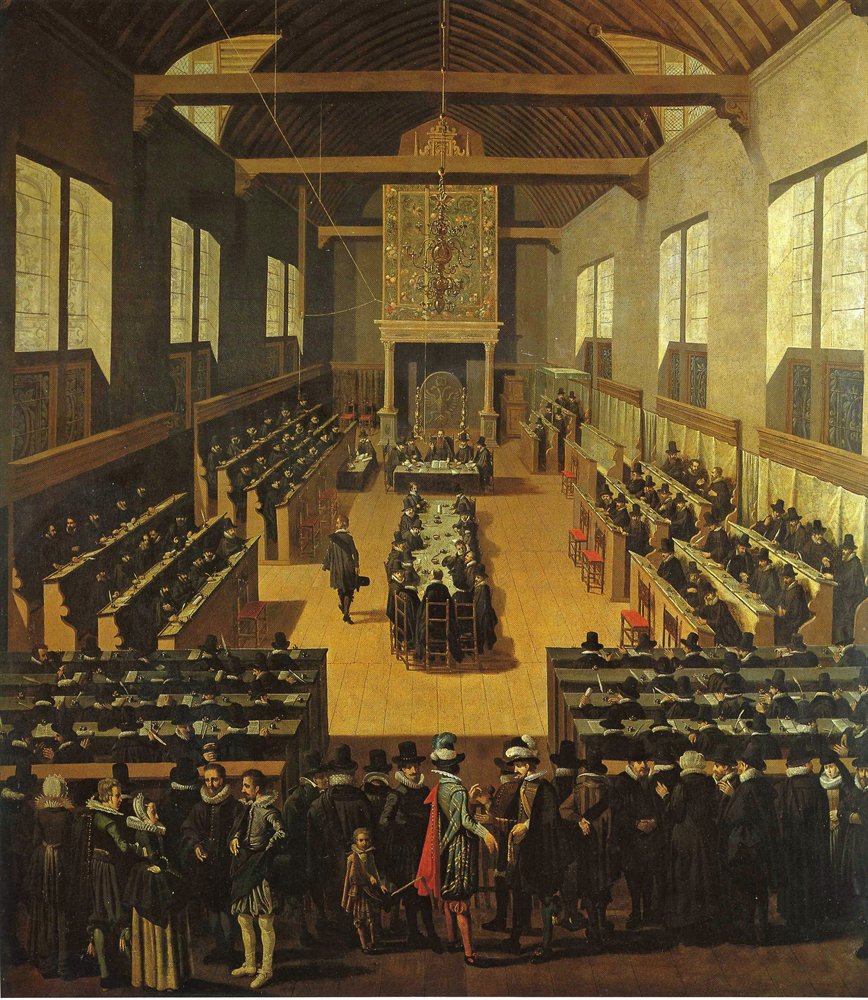
Bible Study, Triniy Bible Church Cypress, May 24, 2026 I. Why TULIP? A. Historical Flyover The Reformation in the Netherlands—or, as it was then known, the Dutch Republic—was magisterial, just as in the other major European contexts (e.g., Germany, Switzerland, Geneva, England). That is to say, it was somehow supported by the civil authorities (or…
-
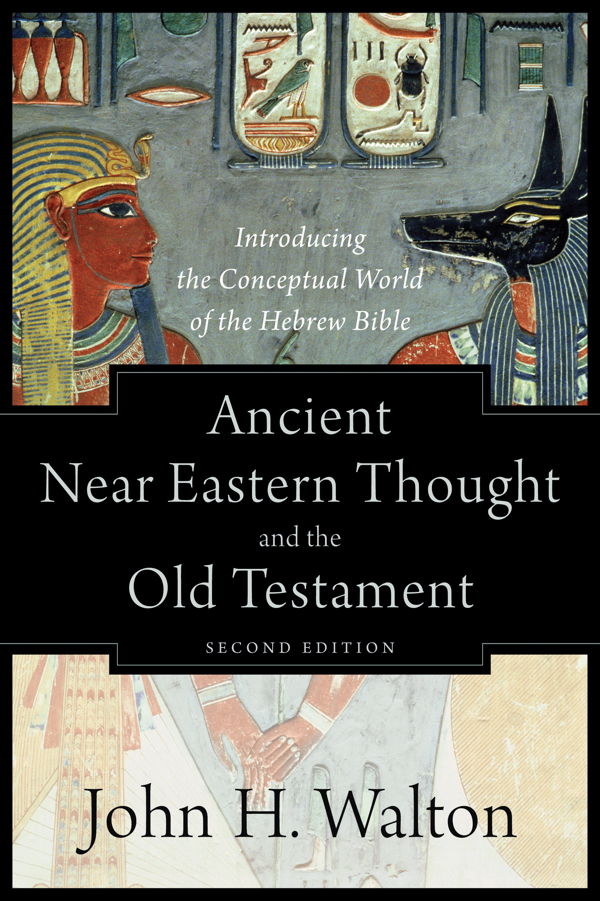
Review: “Ancient Near Eastern Thought and the Old Testament,” by John H. Walton
Read time:
14–21 minutesCategories: ReviewsFew within evangelical scholarship have attained the heights of John H. Walton. His influence in Old Testament studies is prominent in both academic and general readership publications. The fact is exemplified by his editorial position on several major commentary and multi-volume encyclopedia works, alongside his own mountain of monographs, to which a new volume is added…
-
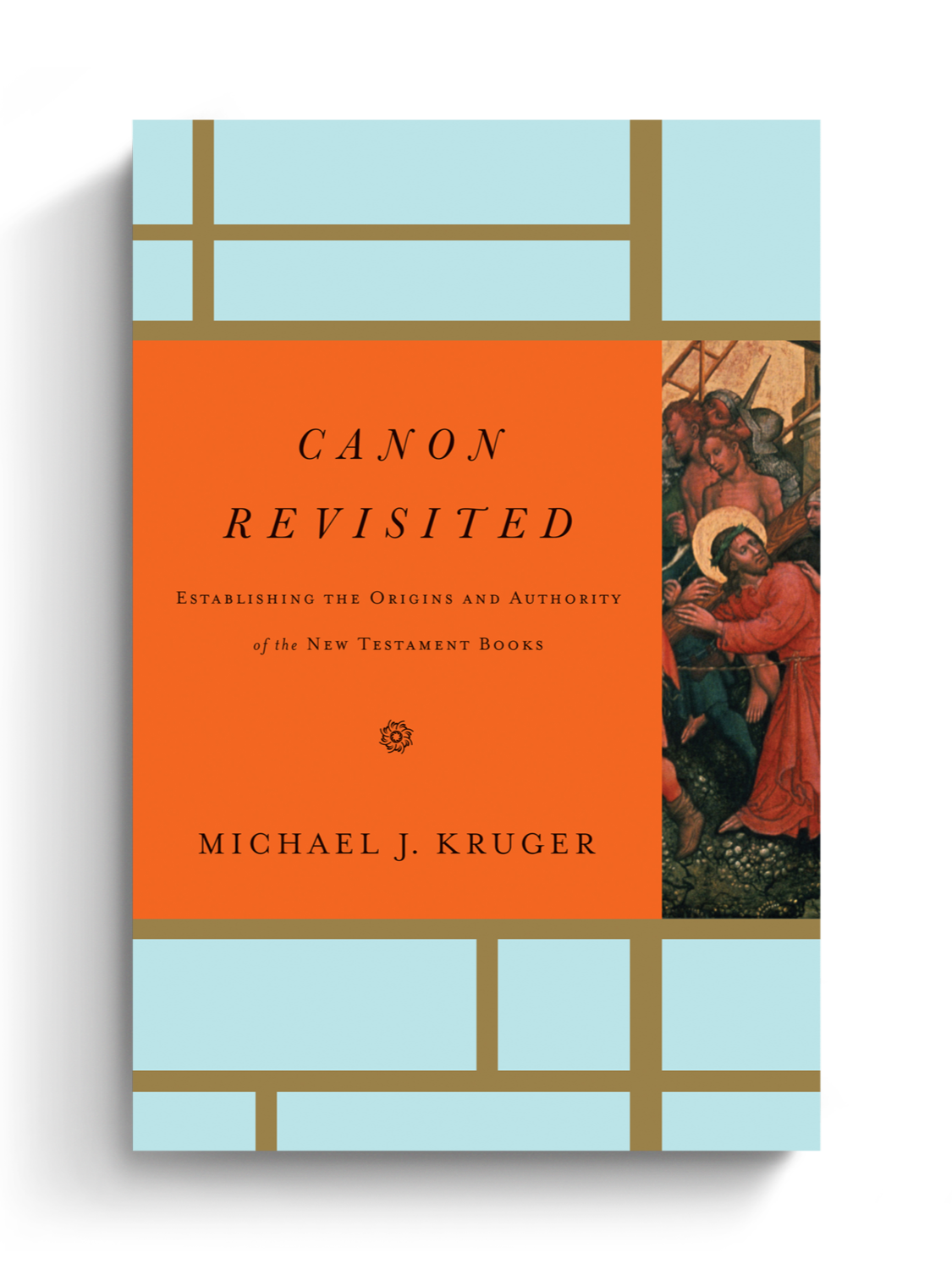
In September 2023, a fellow student recommended to me Michael Kruger’s book, Canon Revisited.1 This was in response to my persuasion that the Bible evinces something like “inspired textual updating.”2 In this friend’s perspective, textual updating would violate the intrinsic canonical status of any text that was divinely inspired, something Kruger calls “ontological canonicity.” Of…
Joshua C. Sherrill
Biblical Studies | Old Testament Exegesis | Theology | Linguistics | ANE Languages, Lands, & Literature


